Email : Sales@hata-ndt.com
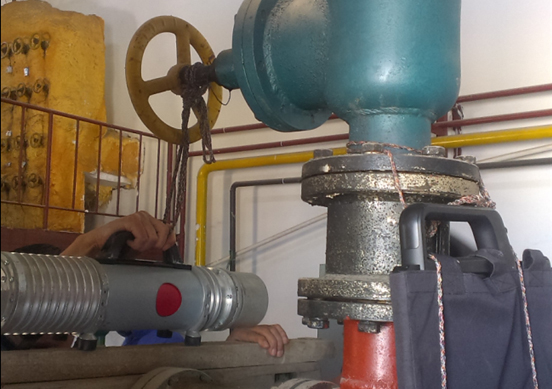
The large number of oil pipelines/fittings, natural gas pipelines/fittings, natural gas pressure vessels, and other parts involved in the oil and gas industry require high quality welds. Once an oil or gas leak occurs, the consequences will be unimaginable.
In HATATEST's product system, industrial X-ray machines, industrial films, portable DR equipment, and PT360 pipeline weld automatic detection system are all highly favored by customers in the oil and gas industry.
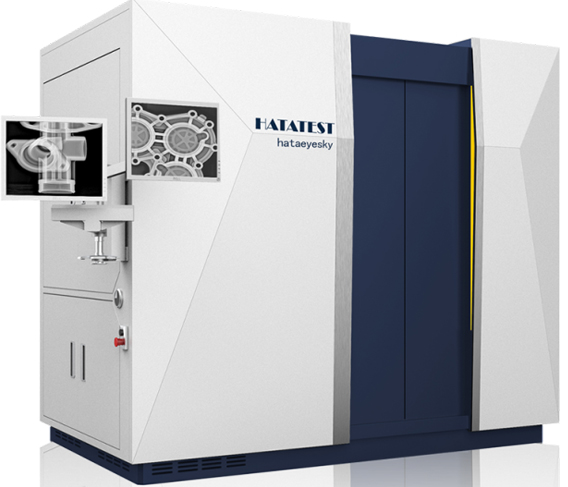
HATATEST's products, technology, and services are currently particularly important in the casting industry. HATATEST is mainly engaged in the research and production of non-destructive testing products for radiation types. However, during the casting process, we cannot guarantee that the die-casting machine can produce perfect castings. In this case, HATATEST's industrial DR or CT is needed to conduct internal quality testing on the castings.
At present, HATATEST's industrial DR or CT can detect defects such as porosity, shrinkage and porosity, slag and sand inclusions, cracks, cold shuts, and core misalignment in castings HATATEST's unique "multi energy fusion technology" can perfectly solve the problem of difficult density detection of different materials in the same casting.
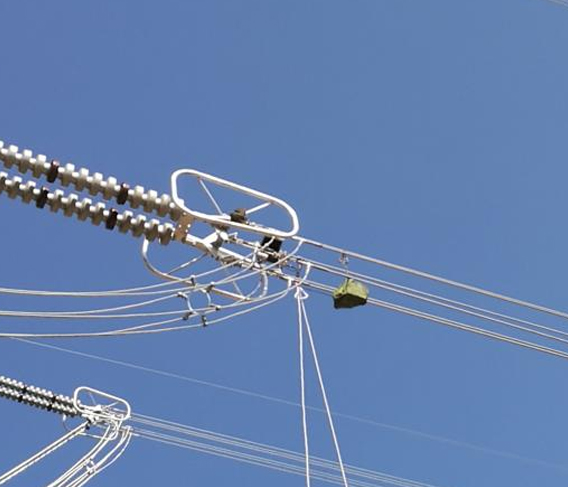
X-ray non-destructive testing technology is mainly applied in the following aspects in the power industry
-- Testing of transmission line crimping fittings: As the core component of power transmission, transmission line crimping fittings can withstand mechanical tension and electromagnetic stress for a long time, and minor defects may cause wire breakage accidents. Traditional detection methods rely on visual observation or tapping to listen, which has problems such as low efficiency and strong subjectivity. X-ray non-destructive testing technology, through non-contact detection methods, can penetrate metal structures to obtain internal images, becoming a key technology to ensure power transmission safety.
-- Detecting internal structural defects in GIS: Through HATATEST's DR system, inspectors can clearly see whether there are loose bolts, debris, damage, displacement and other hidden dangers inside the GIS, preventing equipment failures in advance and ensuring the safe and reliable operation of the power grid.
HATATEST jointly established a non-destructive testing technology research and development center with Beihang University on January 3, 2018. Henan Huatan Aerospace Detection Science Research Institute will be established on July 10, 2023.
These events signify HATATEST's commitment to quality control in the aerospace industry. HATATEST's existing clients include a certain aerospace engine company, an aircraft industry group company, a missile research institute, and an aviation industry company.
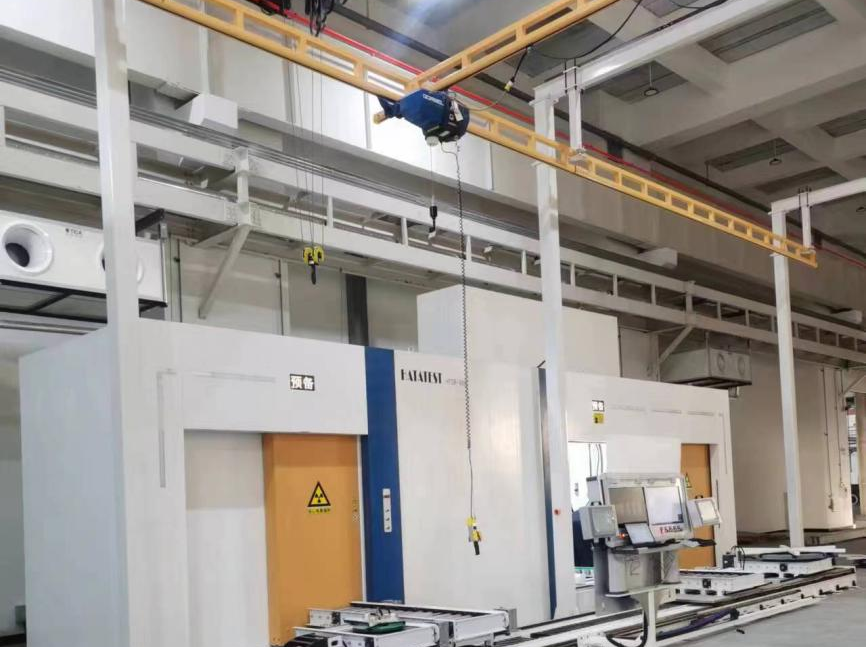
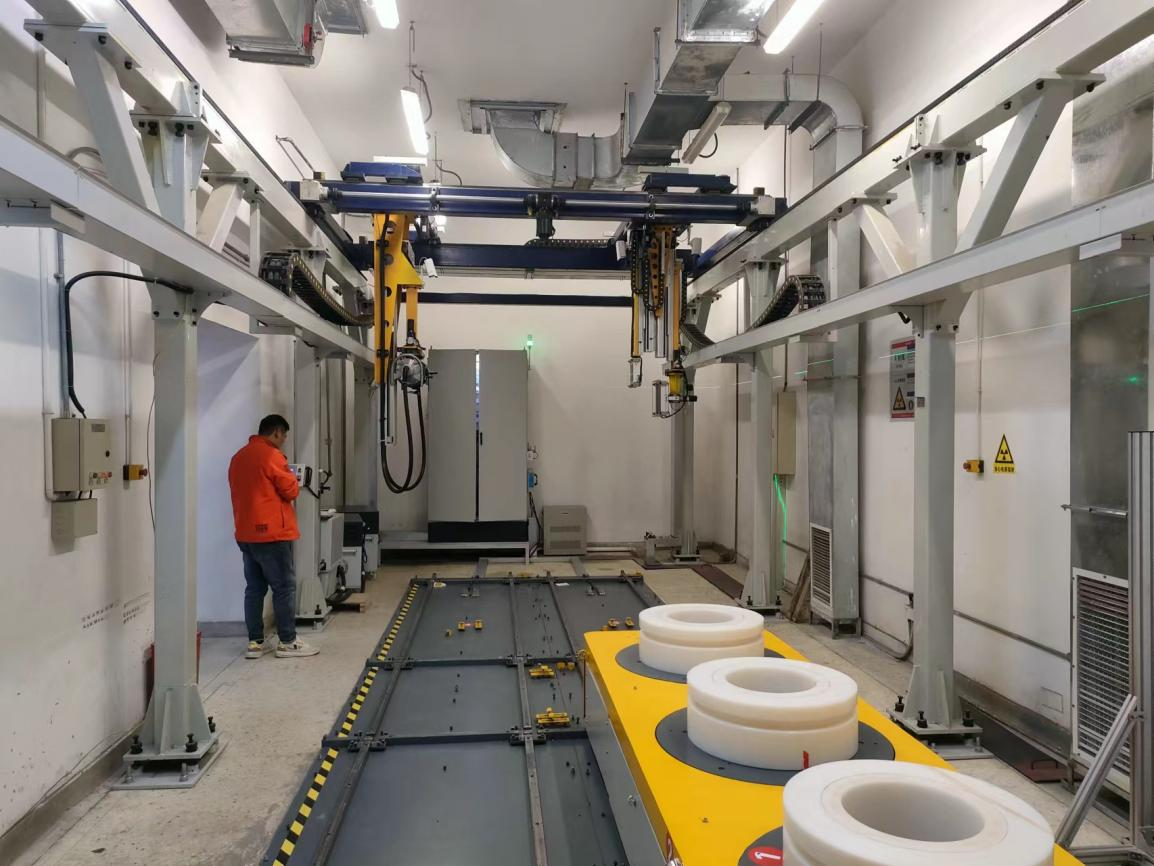
HATATEST's non-destructive testing technology is mainly used in the following aspects of the military industry:
-- Tank armor plate: Detect internal defects such as pores and inclusions in armor materials, test ballistic performance and overall strength, and ensure combat protection capability.
-- Missile Body: Detect defects in the outer shell and internal structure to ensure aerodynamic performance and reliability, suitable for testing in high temperature and high pressure environments.
-- Cannon barrel: Test the internal wear, cracks, and material degradation of the barrel to ensure shooting accuracy and service life.
-- Military vehicle chassis: Detect defects in the chassis frame and suspension system, such as fatigue cracks and welding issues, to ensure off-road performance and safety.
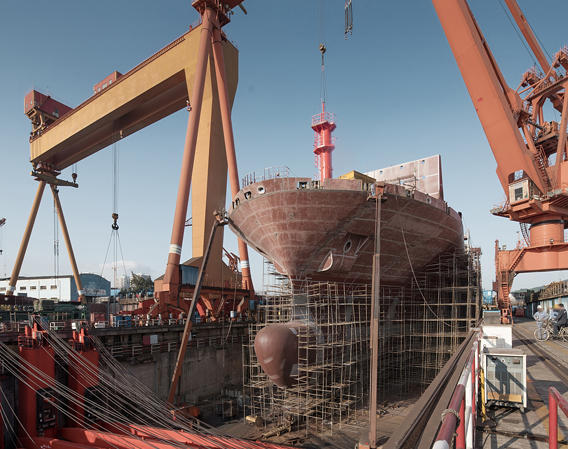
Radiographic inspection is mainly used in the shipbuilding industry to detect internal defects in welds, castings, and pressure vessels, ensuring the safety and reliability of ship structures. Specific application directions include:
-- Ship weld inspection: Through X-ray radiography, defects such as porosity, slag inclusion, and cracks in the weld are detected to prevent safety accidents caused by welding quality issues. For example, in the construction of the Type 076 amphibious assault ship, the welding qualification rate is as high as 99.97%, and non-destructive testing has exceeded 120000 times.
-- Casting inspection: Detect defects such as pores and inclusions inside the casting to ensure its reliability.
-- Pressure vessel inspection: Regularly inspect pressure vessels in ships to ensure their safety during operation.